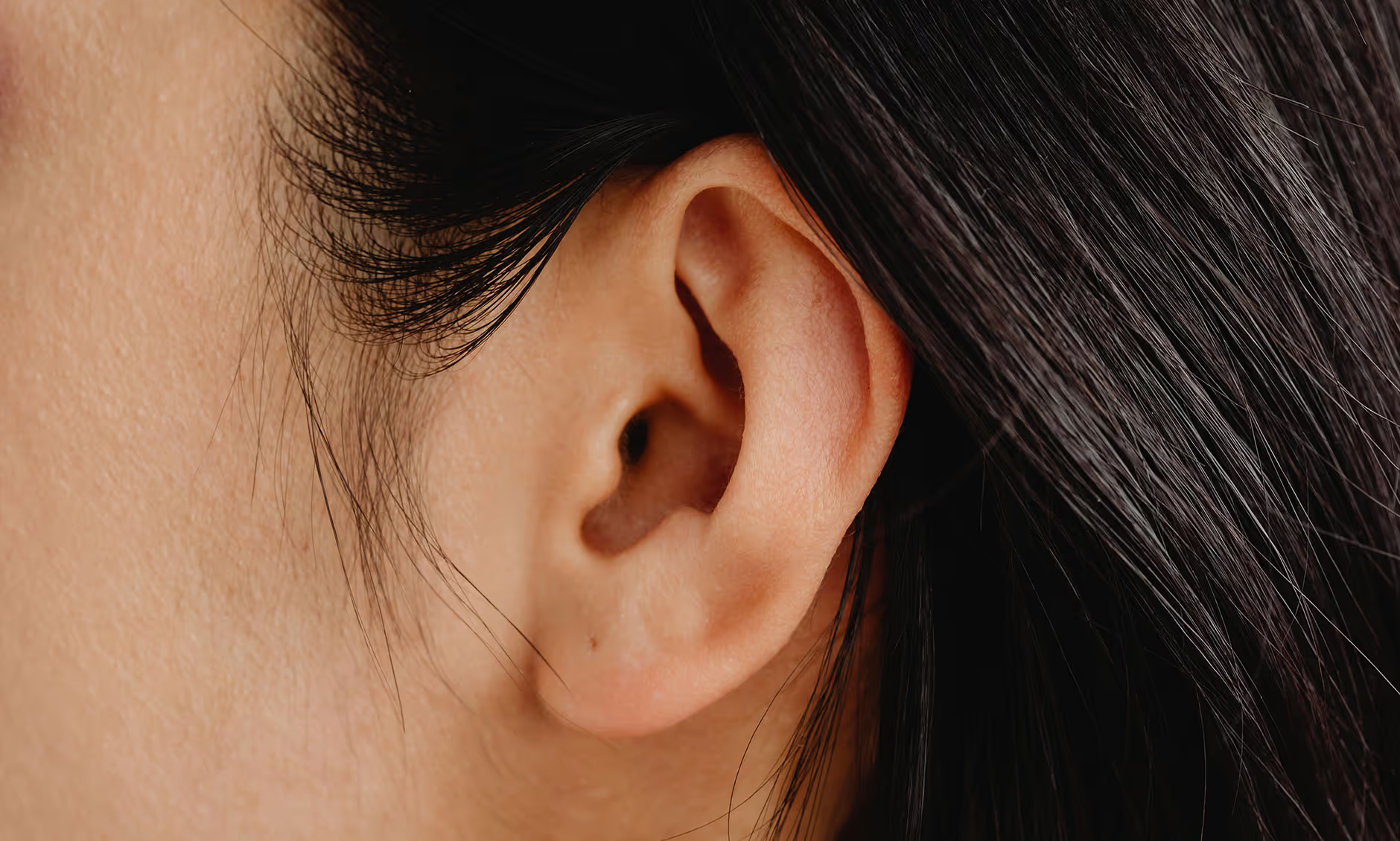
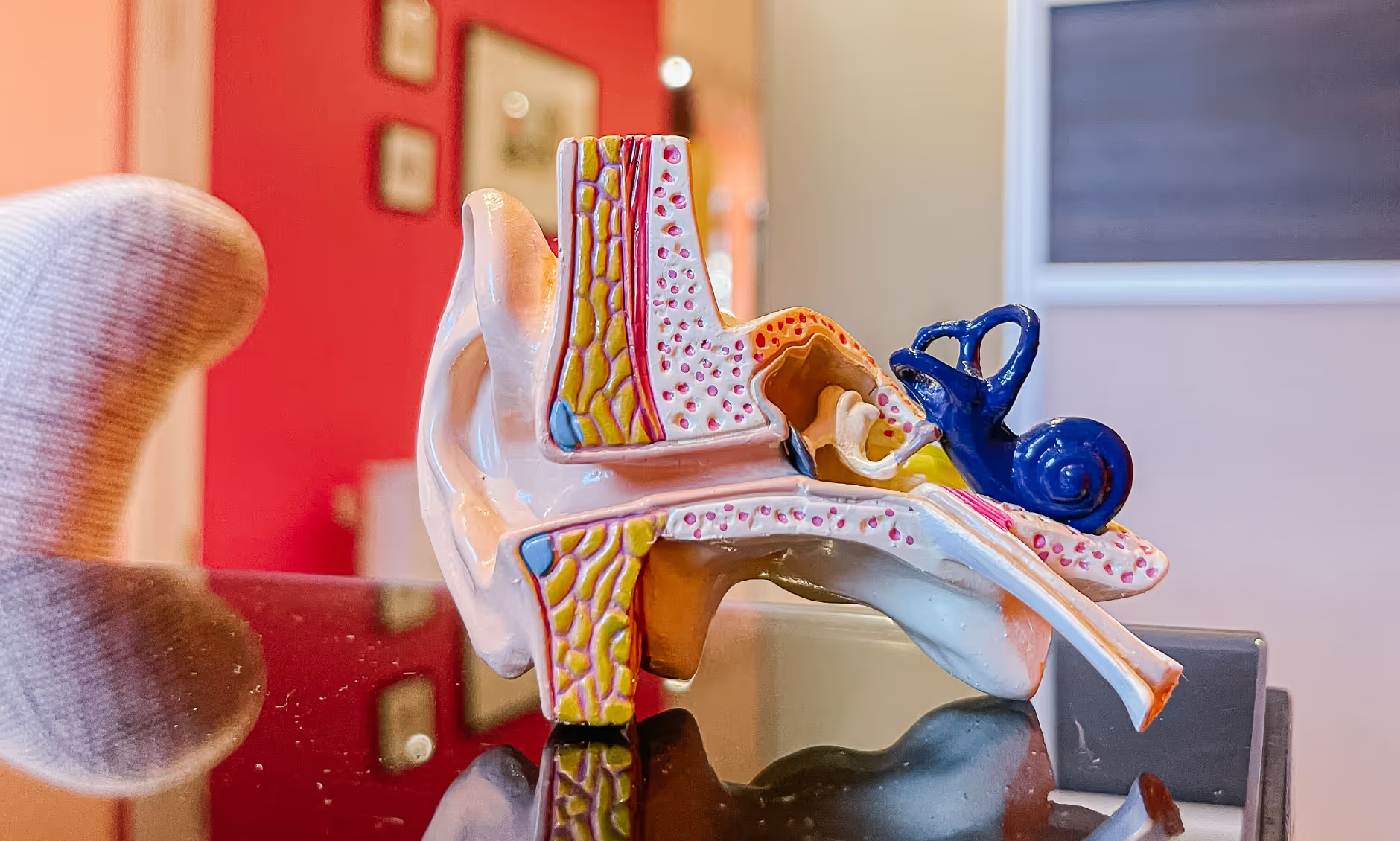
Our ear canals produce a waxy oil called cerumen or ear wax. Ear wax can be gray, orange or yellow-ish in colour. Earwax in healthy amounts is actually a good thing for our ears. The wax protects our ears from debris, dead skin cells, dust and foreign particles, and earwax naturally migrates out of the ears. This actually makes our ears self-cleaning. The absence of earwax can result in dry, itchy ear canals.
At AudioSense, we can remove the wax for you, safely. We use specialized tools called curettes and irrigators, and we have been trained to do this.
Different people produce different amounts of wax. Some ears are prone to producing more wax than is necessary, which can lead to wax buildup. A wax buildup only becomes a concern when the wax creates a blockage in the ear canal. This can in turn prevent the migrating wax to do its job and clean our ears, which can lead to infections. If you use hearing aids then ear wax build can result in feedback and muffled sound amplification which can interfere with the existing hearing loss treatment you may be receiving. Other concerns of wax blockage include: temporary hearing loss, tinnitus, ear pain, sensation of fullness in the ears, or discomfort in the ears.
At AudioSense, we remove earwax safely and comfortably using specialized audiology tools. Depending on the nature of the buildup, we may use gentle irrigation (warm water flushing) and/or manual removal with a curette. Our goal is always to be as gentle and comfortable as possible. Most patients experience immediate relief once the wax is cleared. If your wax is impacted, we may recommend softening drops at home first (such as mineral oil) to make removal easier and more comfortable at your appointment.
If you feel blocked, are noticing dull hearing, have new tinnitus, or suspect wax buildup, professional removal is the safest and most effective first step. It often solves the problem quickly.

The most common cause of wax blockage is actually created when people try to clean their ears by removing their own wax at home with Q-tips, bobby pins, cotton or any other objects. Wearing earphones or earbuds can also cause some wax buildup. This is because in both cases, the Q-tip, cleaning tool or earphone can prevent the wax from migrating out naturally, thus allowing it to buildup in the canal and eventually, potentially causing a wax blockage in the ear.
There’s an old saying that goes: “Never put anything smaller than your elbow in your ears”. While this isn’t always realistic advice, it does hold true, to prevent wax buildup and blockage.
For most people, professional ear wax removal is painless. You may feel mild pressure, warmth, or a tickling sensation during the procedure, but not sharp pain. One audiologist compares it to getting your teeth cleaned: you know it's happening, but it doesn't hurt (San Francisco Hearing Center). If your wax is impacted or hardened, your audiologist may recommend softening drops before your appointment to make removal more comfortable. If you experience any discomfort, let your audiologist know so they can adjust their approach.
Yes. Professional removal by a trained audiologist is the safest and most effective way to clear ear wax. Audiologists use specialized tools (curettes, irrigation, suction) under direct vision, which minimizes risk to your ear canal and eardrum (Mayo Clinic). DIY methods like cotton swabs and ear candles are not safe. Cotton swabs push wax deeper and can scratch the ear canal or rupture the eardrum. Ear candling has no proven benefit and can cause burns, blockages, or perforation (Cleveland Clinic). If you suspect a blockage, see an audiologist for proper removal.
Common signs of impacted ear wax include a feeling of fullness or blockage in the ear, muffled or reduced hearing, ringing in the ear (tinnitus), earache, itchiness, and dizziness (Cleveland Clinic). You may also notice that your hearing aids aren't working as well as usual. If you experience any of these symptoms, an audiologist can look inside your ear with an otoscope and confirm whether wax is the cause.
Most people do not need routine ear cleaning because ears are self-cleaning. However, if you're prone to wax buildup, professional removal every 6 to 12 months is generally recommended (Mayo Clinic). Hearing aid users may need cleaning every 4 to 6 months, as devices can push wax deeper and reduce airflow in the ear canal (The Ear Clinic UK). Your audiologist can recommend a schedule based on your ear health and wax production.
You can soften ear wax at home with a few drops of mineral oil, baby oil, or over-the-counter ear drops. This may help the wax come out naturally (Mayo Clinic). However, do not insert cotton swabs, bobby pins, or other objects into your ear canal. These push wax deeper and can scratch the canal or rupture the eardrum. Ear candling is also unsafe and has no proven benefit (American Academy of Otolaryngology). If home softening drops don't relieve your symptoms, see an audiologist for safe, professional removal.
If your ears feel plugged, your hearing seems suddenly muffled, or your hearing aids aren't sounding as clear as usual, earwax may be the cause. At AudioSense Hearing Clinic, our audiologists provide safe, gentle cerumen removal that restores comfort and clarity in one visit.
Book your ear wax removal appointment today. We'll help you hear clearly again, quickly and safely.