Cochlear Implant Mapping
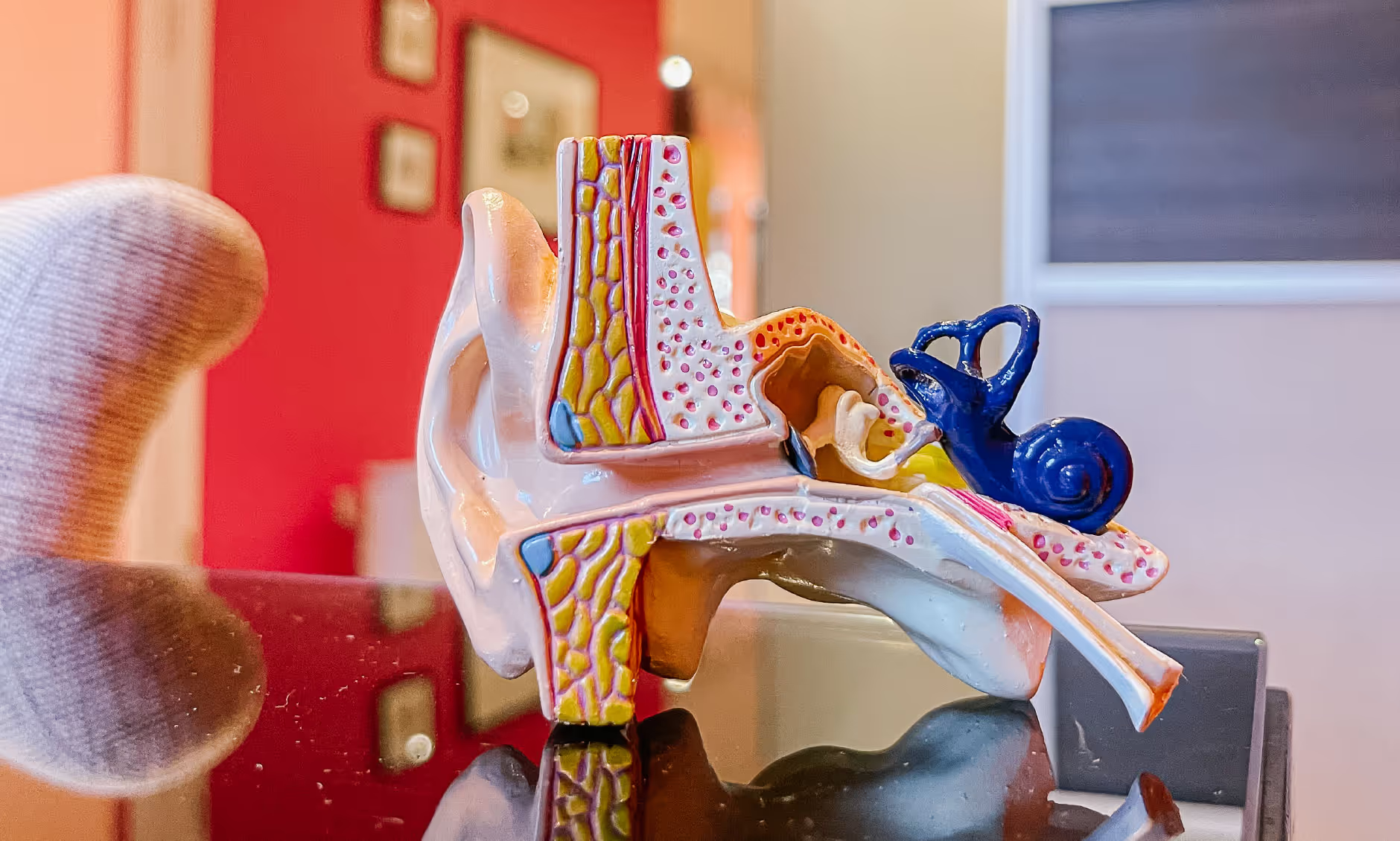
A cochlear implant is a hearing prosthesis for people with severe-to-profound hearing loss who do not benefit from hearing aids in Toronto. An otologist (ENT surgeon) places the internal portion into the cochlea, and the external sound processor captures sound and sends it to the implant. In the Greater Toronto Area, cochlear implant surgeries are most commonly performed through hospital programs at SickKids and Sunnybrook Health Sciences Centre.
Surgery is only the beginning. After implantation, the device must be programmed and adjusted through a process called mapping. Mapping is what turns the implant into meaningful hearing. During a mapping appointment, we measure how your auditory system responds through the implant, then adjust loudness, pitch, clarity, and comfort so speech and daily sounds feel natural. We recommend that every cochlear implant user have a routine mapping once a year, or sooner if sound quality changes, listening becomes harder, or your processor has been upgraded.
At AudioSense, cochlear implant mapping is led by Dr. Salima Jiwani, PhD. Dr. Jiwani completed her doctoral training in the Cochlear Implant Laboratory at The Hospital for Sick Children, where she worked with implant researchers and surgeons supporting children and adolescents with cochlear implants. She also served as an operating room audiologist within the SickKids cochlear implant program. After her PhD, she joined Cochlear Canada Inc. as a Clinical Territory Manager for Eastern Canada, supporting clinicians and patients with complex cochlear implant and BAHA cases.
If you need troubleshooting, replacement parts, or programming support, our goal is to help quickly and prevent any lapse in hearing access. If your device requires manufacturer repair, we can arrange a loaner processor while yours is being serviced. AudioSense provides mapping, performance checks, and ongoing care at our Toronto and Markham clinics.