

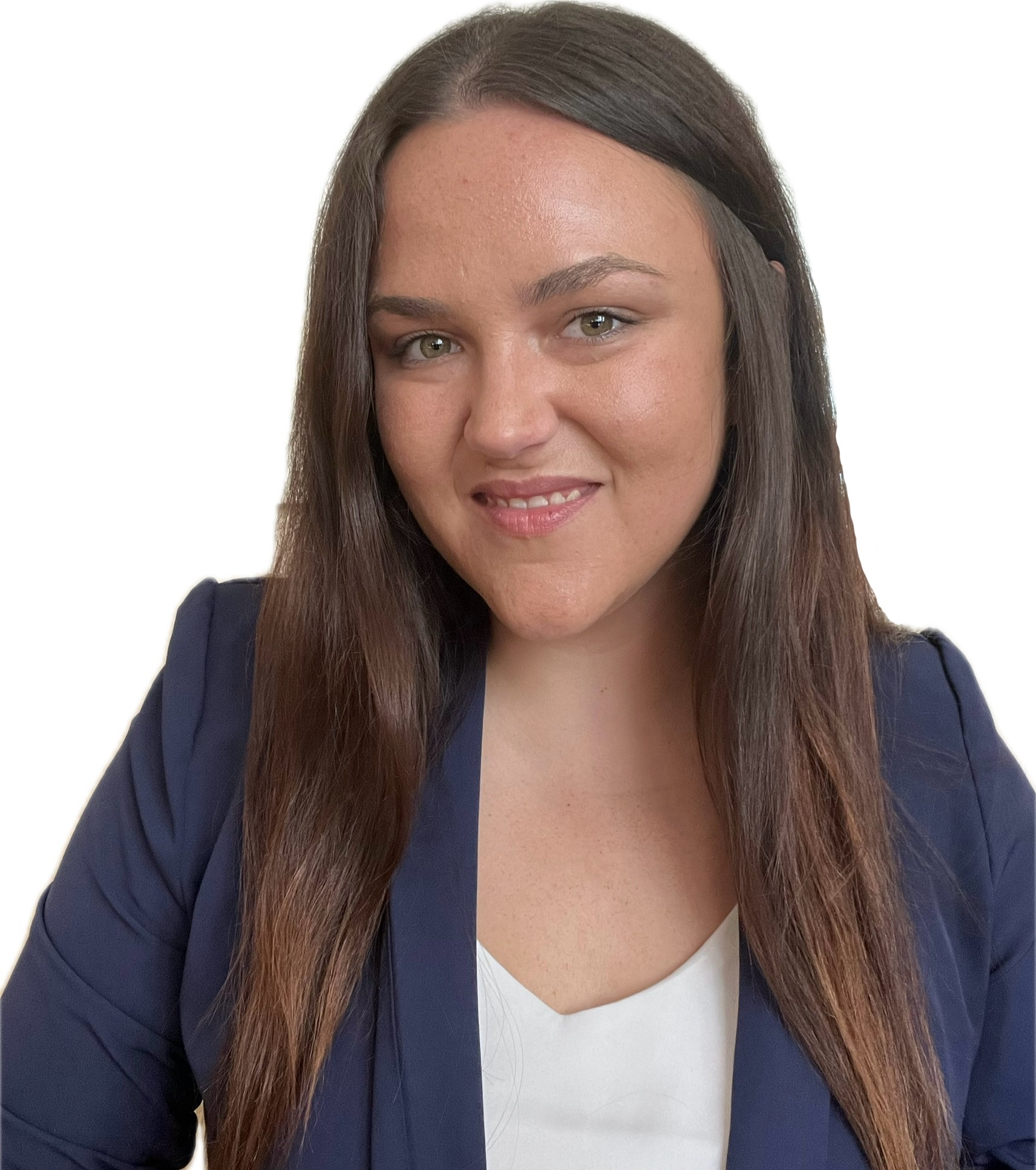


As a speech-language pathology (SLP) student, my clinical experience has largely focused on speech, language and swallowing. My audiology placement, at AudioSense, significantly influenced my clinical perspective. It quickly became clear that hearing health is not just adjacent to the field of speech-language pathology, it is foundational to it.
Why Hearing Health Matters
Hearing plays a central role in how we develop, understand and use language as well as which speech sounds we can consistently access for communication. When auditory input is reduced or inconsistent, it impacts how speech and language systems develop and function.
Hearing can be affected by a range of factors, including congenital conditions, recurrent otitis media, noise exposure, aging, ototoxic medications and neurological changes (Anastasiadou & Al Khalili, 2023).
In children, consistent access to sound is essential during critical periods of language development. Even mild or fluctuating hearing loss can affect speech sound acquisition, vocabulary growth, academic performance and social participation (LeClair & Saunders, 2019). In adults, hearing loss can lead to communication breakdowns, increased listening effort and social withdrawal with an identifiable link between hearing loss and an increased risk of dementia (Chern & Golub, 2019). The World Health Organization (2021) highlights that unaddressed hearing loss across the lifespan affects communication, education, participation and overall well-being, reinforcing the importance of early identification and timely intervention.
Why Referral Matters
As SLPs and healthcare professionals, subtle signs of hearing difficulty are often identifiable, such as a child not progressing in therapy as expected, inconsistent responses during assessment or adults frequently asking for repetition or appearing disengaged.
Speech-Language and Audiology Canada (2016) emphasizes that SLPs have a responsibility to screen for and refer individuals with suspected hearing loss for a comprehensive audiological evaluation. Treating speech or language in isolation, without ensuring adequate auditory access, can limit progress and lead to misinterpretation of an individual’s skills.
University Clinic vs. Private Practice
My early exposure to audiology, in a clinical capacity, through my graduate program was relatively limited. I was able to perform hearing screenings both in-clinic and at a health fair. While screenings are valuable for identifying concerns, they do not provide diagnostic information.
In contrast, my placement at AudioSense offered a much broader perspective. I was involved in comprehensive diagnostic assessments, hearing aid selection and follow-up, long-term patient care across the lifespan and advanced services such as cochlear implant mapping.
What stood out most was the continuity of care. I saw clients at different stages (initial diagnosis, device selection and long-term follow-up), which highlighted how audiologists support patients over time and circumstances.
One of the most impactful aspects of my placement at AudioSense was observing cochlear implant mapping. Seeing how small adjustments to a patient’s device could immediately improve access to high-frequency sounds reinforced how directly auditory input influences speech perception and production. In one case, a client’s cochlear implant map had been unintentionally reset, limiting access to higher-frequency sounds. Following reprogramming, those sounds immediately became accessible again, highlighting the direct connection between hearing and speech output.
Choosing the Right Clinic: An SLP Student Perspective
Choosing the right audiology clinic is an important decision for both patients and the healthcare professionals supporting them, including speech-language pathologists making referrals. While hearing concerns may initially seem straightforward, the type of clinic a patient attends can significantly affect their access to assessment, follow-up care and long-term outcomes.
Range of Services and Patient Need
Selecting an audiology clinic involves matching individual needs with the range of services available. Many clinics provide core services such as hearing assessments, hearing aid services, custom ear plugs and ear wax removal. These services are essential for identifying and managing hearing loss that can impact access to speech and language input as well as environmental sounds. In contrast, some private practices, such as AudioSense, may offer a broader continuum of care in addition to core services, including cochlear implant management, tinnitus and hyperacusis therapy, post-concussion auditory management and specialized balance and vestibular testing.
Insurance Coverage vs. Fee-for-Service Models
Financial accessibility plays a significant role in clinic selection. Some clinics operate on a fee-for-service basis, while others may be partially or fully covered through insurance plans. Fee structure is an important consideration in patient decision making and referral, as price can directly influence access to timely care. Clinics operating on a fee-for-service model may offer more immediate appointments and shorter wait times, while services covered through public systems may involve longer delays due to higher demand. As a result, cost is often linked to how quickly a patient can be assessed and begin intervention.
Language of Service Delivery
When considering where to seek care, or where to refer, language accessibility is an important factor. Patients may better understand results, treatment recommendations and counselling when services are provided in their preferred language. Clinics that offer bilingual or multilingual services can help reduce communication barriers and support more patient-centered care.
Continuity of Care and Long-Term Management
Finally, continuity of care is an important consideration for both patients and referring healthcare professionals. Some clinics provide ongoing follow-up, device adjustments and long-term management, while others focus primarily on diagnostic services. Clinics such as AudioSense illustrate a model of integrated care, where patients can return for ongoing support services over time. The continuity is particularly important for individuals using hearing aids or cochlear implants.
Final Reflection
Overall, my clinical practicum hours in audiology deepened my understanding of how much variability exists across clinics and how these differences directly influence patient care. What began as exposure to hearing screenings in a university clinic expanded into observing a full continuum of audiological services in private practice, including ongoing management and more complex interventions. Moving forward, this experience will shape how I approach clinical decision making as an SLP, particularly in recognizing when hearing may be contributing to communication challenges and in making thoughtful, informed referrals. I will carry this perspective into practice by considering not only if a patient should be referred, but where, ensuring that referrals align with each patient’s communication needs, access to care and potential for timely intervention.
References
Anastasiadou, S. & Al Khalili, Y. (2023). Hearing Loss. StatPearls Publishing.
Chern, A. &Golub, J. S. (2019). Age-related hearing loss and dementia. AlzheimerDisease & Associated Disorders, 33(3), 285-290.
LeClair, K. L.& Saunders, J. E. (2019). Meeting the educational needs of children withhearing loss. World Health Organization, 97(10) 722-724.
Speech-Language & Audiology Canada (2016). Scope of practice for speech-language pathology [PDF document]. https://www.sac-oac.ca/wp-content/uploads/2023/01/scope_of_practice_speech-language_pathology_en.pdf
World Health Organization (2021). World report on hearing. https://www.who.int/publications/i/item/9789240020481
Book your hearing evaluation
Or fill out the form below and our audiology team can call you to arrange a convenient time for your evaluation.

Recent posts
.jpg)


October 4, 2025
Your Ears Never Sleep